The Military Chaplain’s Guide to Supporting Families in Crisis: What Civilian Counselors Are Missing
Written By: Eleanor Haack-Finney

When a military family hits a crisis, they don’t just call their therapist and wait for next Tuesday’s appointment. They have access to something most civilian families only dream of: a chaplain who understands their world, speaks their language, and can mobilize an entire support network at a moment’s notice.
As someone who’s worked extensively with both military and civilian families, I’ve seen firsthand how military chaplains approach crisis support in ways that would revolutionize civilian counseling—if more of us understood what they’re actually doing.
The Cultural Fluency That Changes Everything
Military chaplains don’t need a crash course in military life because they live it. They understand that when a spouse says “I can’t handle another deployment,” she’s not just talking about missing her husband. She’s talking about being a single parent for months, managing everything from broken dishwashers to teenagers’ meltdowns, all while maintaining the strong military spouse facade that everyone expects.
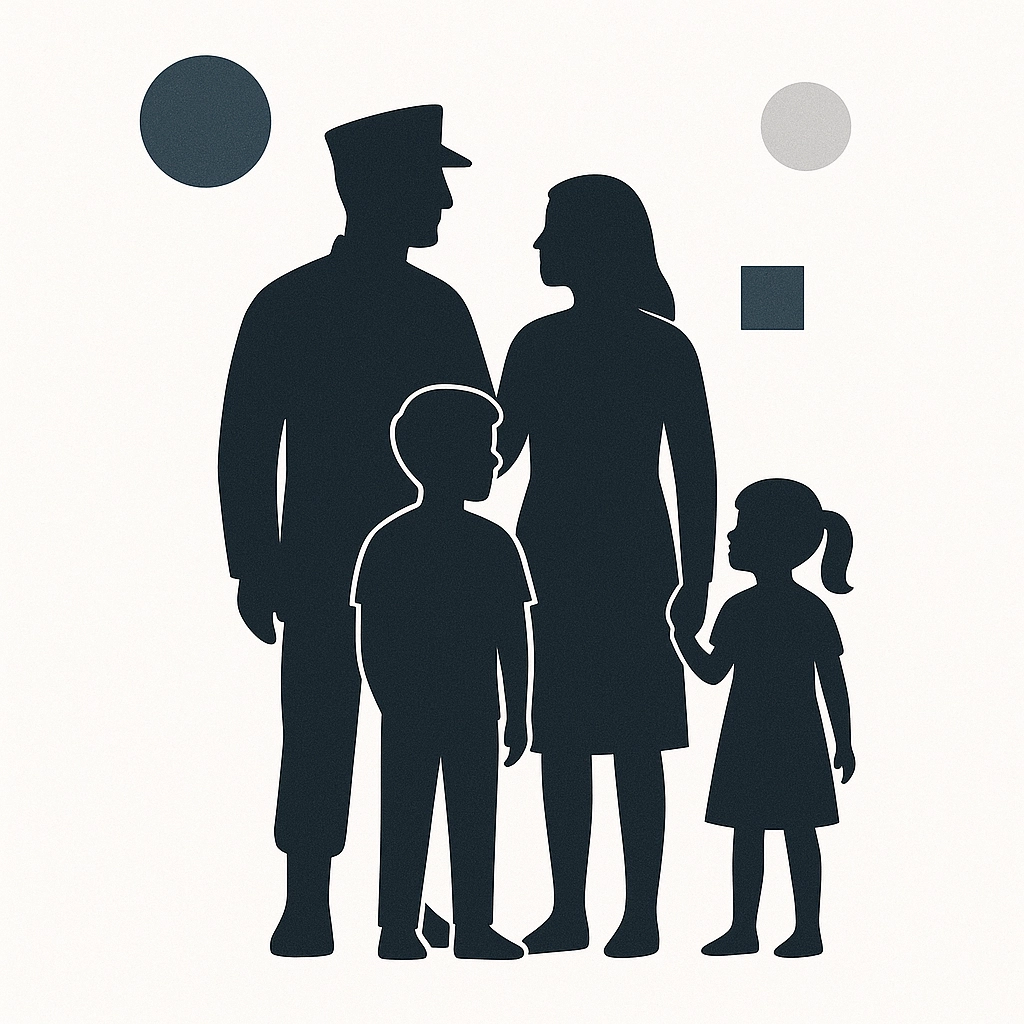
This cultural fluency means chaplains can cut straight to the real issues. They know that financial stress in a military family often stems from the unique challenges of frequent moves and spouse employment difficulties. They understand that a teenager’s behavioral problems might be directly linked to the uncertainty of military life rather than typical adolescent rebellion.
Civilian counselors, no matter how well-intentioned, often spend precious time learning the basics of military culture while families are in crisis. Chaplains start from a place of deep understanding and can immediately address the heart of the matter.
The Power of Integrated Support Systems
Here’s where civilian counseling often falls short: we work in isolation. A family comes to my office, we have our session, and they go home to face their crisis alone until next week. Military chaplains operate within a comprehensive care ecosystem that civilian counselors simply can’t replicate.
When a chaplain encounters a family in crisis, they’re not just offering individual counseling. They’re coordinating with unit commanders, connecting families with Military Family Life Counselors, tapping into spouse groups, and mobilizing practical support that can address immediate needs. It’s like having a entire crisis response team rather than just one counselor.

This integrated approach means families get wraparound support that addresses both emotional and practical needs simultaneously. The chaplain might provide spiritual guidance while also ensuring the family has access to emergency financial assistance, childcare during appointments, and ongoing community support.
Confidential Care Without Career Consequences
One of the most brilliant aspects of military chaplain care is the confidential counseling that doesn’t appear in medical records. Military personnel often hesitate to seek mental health support because they worry about career implications, security clearance reviews, or being seen as weak by their command.
Chaplains provide a safe space where service members and their families can process difficult emotions, work through relationship issues, and address mental health concerns without fear of professional repercussions. This confidentiality, combined with the chaplain’s trusted position within the military community, creates an environment where people are more likely to seek help early rather than waiting until problems become overwhelming.
Addressing Spiritual and Moral Injury
Military families face unique challenges that go beyond typical relationship stress or anxiety. Service members often struggle with moral injury—the spiritual and psychological damage that occurs when they’ve witnessed or participated in events that conflict with their moral beliefs.

Chaplains are uniquely equipped to address these deeper existential concerns. They understand that healing from military trauma often requires addressing questions of meaning, purpose, guilt, and forgiveness that extend far beyond symptom management. They can help families process the spiritual dimensions of military service while also providing practical coping strategies.
Civilian counselors, while skilled in trauma therapy, may lack the theological training and spiritual framework necessary to address these profound moral and spiritual concerns that are so common in military families.
24/7 Crisis Response That Actually Works
Military chaplains don’t keep regular business hours. When a family receives devastating news—a combat injury, a death notification, or a deployment extension—the chaplain is available immediately, not next Tuesday at 10 AM.
This immediate accessibility is crucial because military crises often require urgent response. The chaplain can provide immediate spiritual and emotional support while also coordinating with other emergency services and support systems. They can be at a family’s door within hours, offering both crisis intervention and practical assistance.

This level of accessibility creates trust and demonstrates genuine care in ways that traditional appointment-based counseling simply cannot match.
Building Community Networks That Last
Through programs like Partners in Care, military chaplains connect families with faith-based community organizations that provide ongoing support regardless of religious affiliation. This network extends the chaplain’s reach beyond individual counseling sessions to include community-based support systems that provide practical assistance, social connection, and long-term spiritual guidance.
The chaplain’s ability to mobilize faith communities creates sustainable support networks that continue functioning even when families relocate or when assignments change. This community-based approach often provides more enduring assistance than individual therapy sessions alone.
Prevention Before Crisis Strikes
Military chaplains don’t wait for families to hit rock bottom. They engage in proactive outreach and education, conducting workshops, support groups, and educational programs that build resilience before crises occur. Their regular visibility in the military community helps normalize help-seeking behavior and reduces stigma.
This preventive approach, combined with their natural integration into military life, allows chaplains to identify potential problems early and intervene before situations escalate. They might notice when a spouse seems isolated at a unit function or when a service member appears to be struggling with deployment stress.
What Civilian Counselors Can Learn
While we may not be able to replicate the military’s integrated support systems, civilian counselors can adopt several key principles from the military chaplain model:
Build cultural competency in the specific communities you serve. Whether it’s first responders, healthcare workers, or other specialized populations, deep cultural understanding enhances your effectiveness exponentially.
Create networks of support rather than working in isolation. Develop relationships with community organizations, faith communities, and other service providers who can offer wraparound support for your clients.
Offer crisis accessibility when possible. While 24/7 availability may not be realistic, having clear crisis protocols and some flexibility in emergency situations can make a significant difference.

Address the whole person, including spiritual and moral concerns. You don’t need to be a chaplain to recognize that healing often involves questions of meaning, purpose, and values.
Military chaplains have refined an approach to crisis support that civilian counselors would do well to study and adapt. Their combination of cultural competency, integrated care, immediate accessibility, and spiritual awareness creates a model of support that truly meets families where they are in their darkest moments.
If you’re supporting families in crisis—whether as a counselor, pastor, or community leader—consider how you might incorporate some of these chaplain-inspired approaches into your own work. The families you serve will benefit immeasurably from this more comprehensive, culturally-informed approach to crisis support.
Looking for more resources on supporting families in crisis? Check out our faith-based counseling resources and discover how biblical principles can strengthen your approach to family support.
 Resilient & Called
Leave a comment